
Surface Finish Testing for Perfume Caps
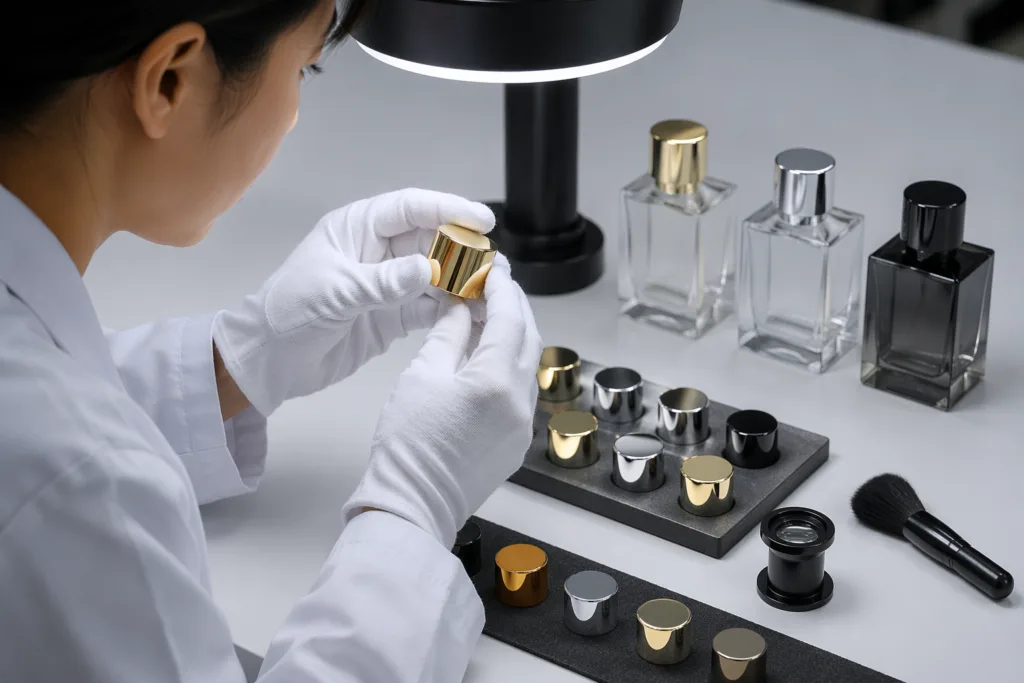
Surface finish testing helps reduce one of the biggest risks in perfume cap sourcing: a cap that looks right in the sample stage but changes in bulk production. At Caps Ltd, we use finish testing as part of the manufacturing and quality review process for custom perfume bottle caps, especially when the project involves electroplating, painted surfaces, polished metal, brushed texture, or strict color expectations.
If your brand depends on visual consistency, premium feel, and stable production quality, finish testing should be part of the supplier discussion before order approval.
Decision Points That Surface Finish Testing Helps You Control
Buyers often need more than a visual sample photo. Surface finish testing helps confirm whether the selected cap finish can perform under real production conditions.
For projects with strict brand presentation needs, this testing stage should be discussed together with color matching, sample development, and final inspection for perfume caps.
- Plating appearance and tone consistency across parts
- Paint adhesion and coverage on edges, corners, and recessed logo areas
- Polishing and brushing uniformity on visible surfaces
- Color variation between approved sample and production batch
- Surface defects such as marks, pinholes, dust points, scratches, and uneven gloss
- Finish stability after handling, packing, and transport
- Visual match between cap body, insert area, logo area, and assembled components
What We Test on Perfume Cap Surface Finishes
Surface finish testing can vary by cap design, material, and finish route. For zinc alloy caps and other decorative perfume cap projects, the review usually focuses on visible quality, consistency, and production suitability.
If your project uses electroplated perfume cap finishes, baked paint finishes, or polished metal surfaces, the testing plan should match the actual finish route used in production.
- Color tone review for plated, painted, or mixed-finish caps
- Gloss or matte appearance confirmation
- Surface smoothness and touch feel
- Edge and corner coverage
- Logo area clarity after engraving, embossing, or printing
- Coating adhesion and finish stability
- Visual cleanliness after polishing or brushing
- Uniformity between top, sidewall, shoulder, and inner visible areas
- Consistency across multiple sample pieces or pilot production pieces
How Testing Supports Sample-to-Bulk Consistency
- Approved finish standard for production
- Visual acceptance range for color and gloss
- Surface quality expectations for front-facing areas
- Critical zones that need tighter inspection, such as logo panels or sharp edges
- Packing precautions to reduce rubbing or scratch risk
- Recheck points during bulk production and final inspection
How Finish Type Changes the Testing Focus
Different finishes create different inspection risks. Buyers should not expect the same test priorities for every cap style.
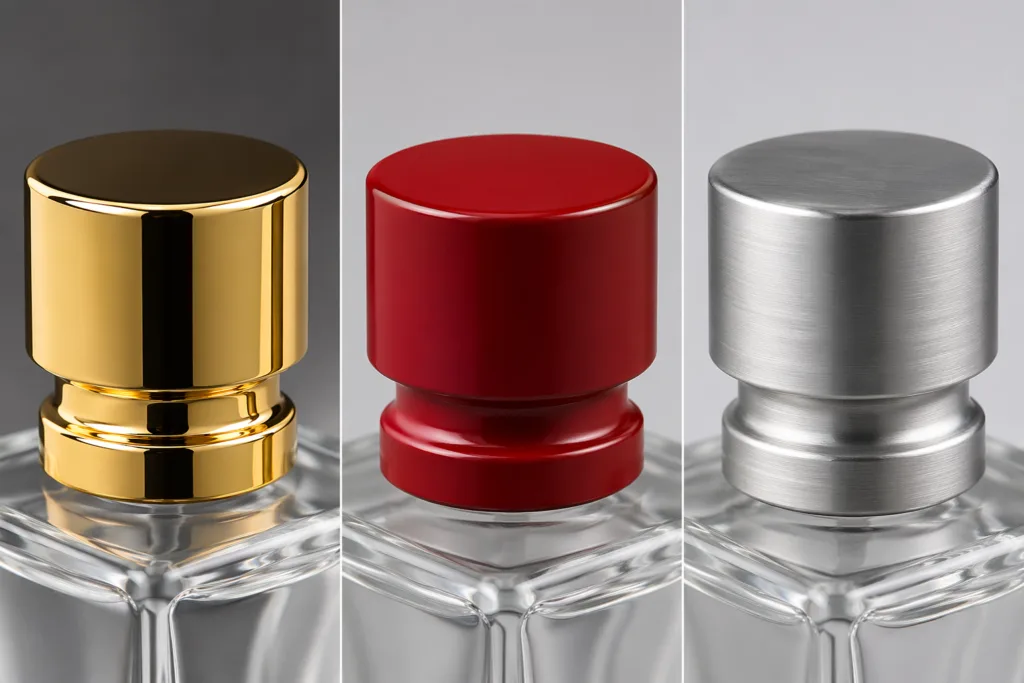
Electroplated finishes
Painted finishes
Polished and brushed finishes
Mechanical finishing affects both look and touch. Surface review may focus on smoothness, directional texture, visible lines, and uniform reflection. Projects using refined metal aesthetics may also benefit from our polishing and brushing service overview.
Mixed finishes and logo details
Many premium caps combine plating, paint, polishing, and logo features in one design. In these projects, testing should confirm that each decorative area works together visually and that transitions between finish zones remain clean.
What Buyers Should Approve Before Production
- Target finish type and reference photos
- Preferred color tone or brand color standard
- Gloss, matte, brushed, or polished appearance requirement
- Logo decoration method and visibility expectation
- Priority cosmetic areas on the cap
- Acceptable visual tolerance for minor variation
- Bottle and collar reference if fit affects visible alignment
- Packaging needs if the surface is sensitive to abrasion
How Surface Finish Testing Fits Into Manufacturing Control
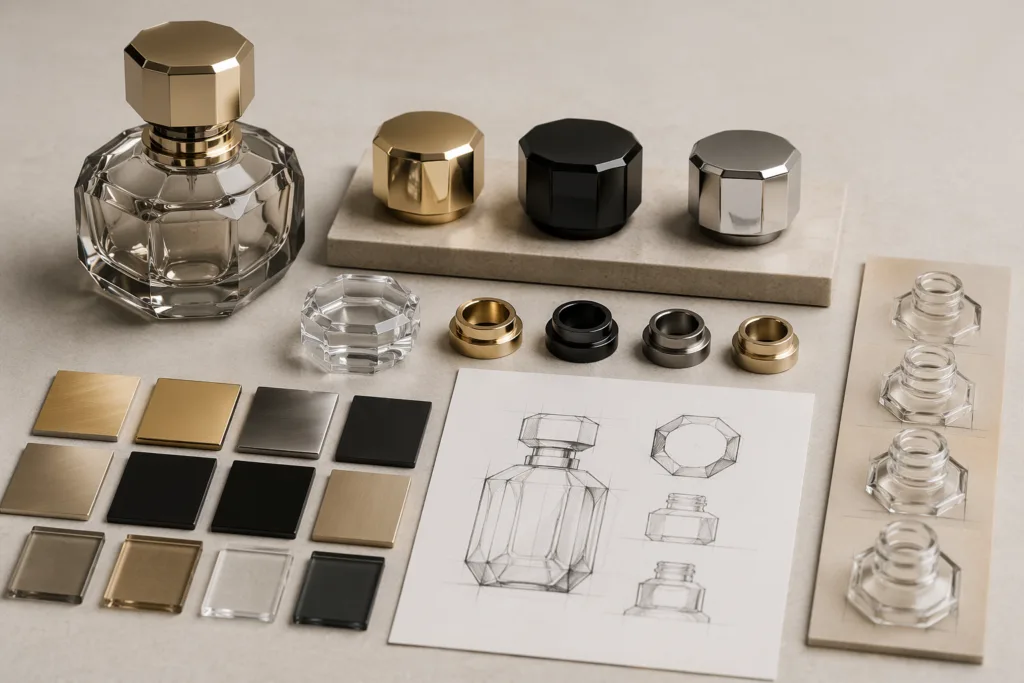
Surface finish testing is not a stand-alone step. It works best as part of a larger process that includes engineering, sampling, in-process review, and final release checks.
When buyers review suppliers, this is an important question to ask: not only whether a finish looks good once, but whether the supplier has a repeatable control process behind it.
- zinc alloy cap manufacturing for stable cap body production
- sample development for finish and appearance approval
- color consistency control for repeatable production batches
- quality control for in-process checking
- final inspection for perfume caps for outgoing shipment review
- export packaging planning to protect decorative surfaces in transit
Common Surface Problems Buyers Want to Prevent
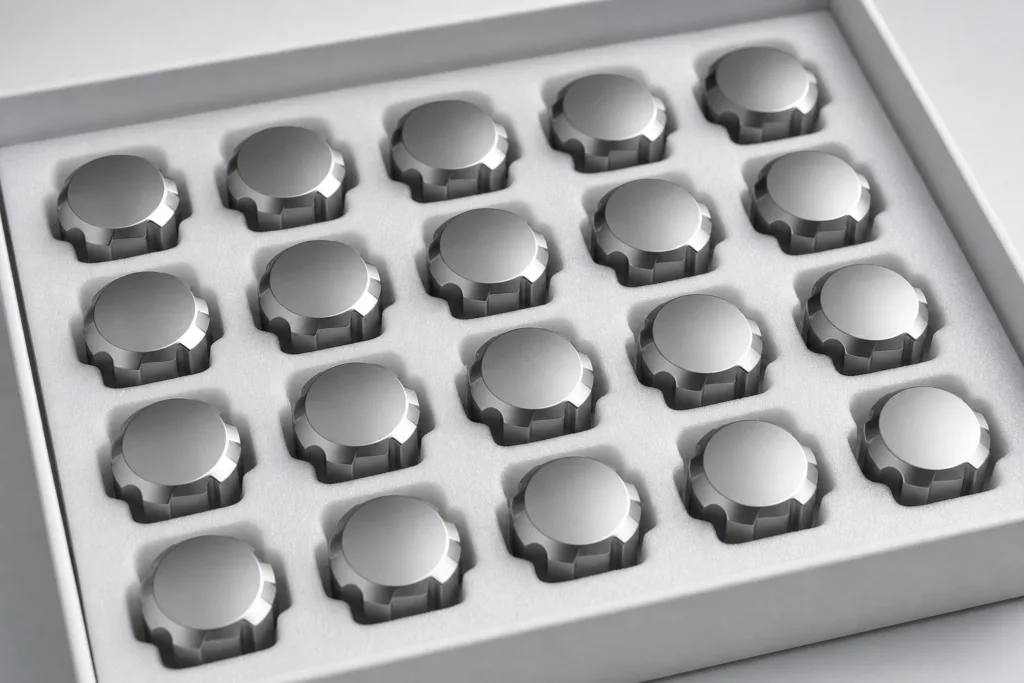
Surface finish testing is often used to reduce these common quality concerns:
If your cap must support a high-end fragrance launch, gift set, or limited edition presentation, early testing and clear approval standards become even more important.
- Color shift from sample to production
- Inconsistent plating tone across one order
- Poor paint coverage near edges or deep areas
- Visible polishing marks on front-facing surfaces
- Dust points trapped under painted finishes
- Scratches caused by handling or inner packing contact
- Uneven gloss between assembled components
- Weak logo clarity after finishing
- Cosmetic mismatch between cap and luxury bottle presentation
Best-Fit Projects for Finish Testing
Detailed surface finish testing is especially useful for:
For these use cases, buyers often combine finish review with sample requests, drawings, artwork confirmation, and bottle fit engineering.
- luxury perfume packaging with premium visual standards
- niche fragrance brands with distinctive finish concepts
- private label perfume programs with multiple SKUs
- heavy metal perfume caps where finish quality defines perceived value
- logo engraved perfume caps with decorative detail requirements
- distributor sourcing projects that need repeatable quality for multiple customers
What to Prepare Before You Request Review or Quote
- Cap drawings, dimensions, or concept sketch
- Bottle neck or collar data
- Reference bottle photos
- Desired material and cap weight direction
- Finish reference image or approved brand standard
- Logo artwork and decoration preference
- Estimated order quantity range
- Target launch timing
- Sample expectations
Closing Section
Surface finish testing helps fragrance brands and packaging buyers make better sourcing decisions before bulk production begins. Whether your project uses plated zinc alloy, painted decorative caps, polished luxury surfaces, or mixed-finish branding details, a clear testing and approval process can reduce quality risk and improve production consistency.
If you are planning a new custom perfume cap project, start with your drawings, finish target, and bottle data. Caps Ltd can review the finish requirements, sample path, and manufacturing considerations before quotation and production.
Need a cap finish that stays consistent from sample approval to bulk production?
Caps Ltd supports custom perfume cap projects with finish review, sample development, manufacturing control, and inspection planning.
Frequently Asked Questions
It is the review process used to check the appearance and stability of a cap finish, such as plating, paint, polish, brushing, gloss, matte effect, and logo area quality.
It helps confirm that the approved sample appearance can be repeated in production and reduces the risk of color shift, surface defects, or inconsistent decorative quality.
Electroplated finishes, painted finishes, polished metal surfaces, brushed textures, and mixed-finish caps often need closer review because small variations can be visible.
Yes. Finish review is an important part of sample development, especially for custom perfume bottle caps with brand-specific color, gloss, texture, or logo requirements.
Buyers should provide drawings, bottle or collar data, finish references, color targets, logo artwork, cosmetic priorities, and any known packaging or handling concerns.
Yes. The finish approval standard created during development helps guide later quality control and final inspection before shipment.