
Perfume Cap Cost Guide for B2B Buyers
Understand what drives custom perfume cap cost before you request samples, compare suppliers, or approve tooling.
Perfume cap pricing is not only about material weight. Cost also depends on cap shape, tooling complexity, surface finish, logo treatment, insert structure, bottle fit, sampling requirements, inspection standards, and order quantity. This guide explains the main cost factors so fragrance brands, packaging buyers, and sourcing teams can prepare clearer RFQs and avoid preventable revisions.
Start with the Real Question: What Are You Paying For?
The Main Factors That Change Perfume Cap Cost
- Material choice affects both raw cost and perceived value. Zinc alloy perfume caps usually cost more than lightweight alternatives, but they provide more weight, a premium hand feel, and stronger luxury positioning.
- Cap size and weight increase material consumption, mold design needs, finishing workload, and shipping cost.
- Shape complexity can raise tooling cost and production difficulty, especially when the design includes undercuts, sharp edges, fine curves, asymmetry, or detailed logo zones.
- Surface finish affects both unit cost and quality control. Mirror polishing, brushing, electroplating, baked paint, and multi-step finish combinations require different labor and inspection levels.
- Logo decoration adds cost depending on engraving depth, embossing detail, print precision, and color registration needs.
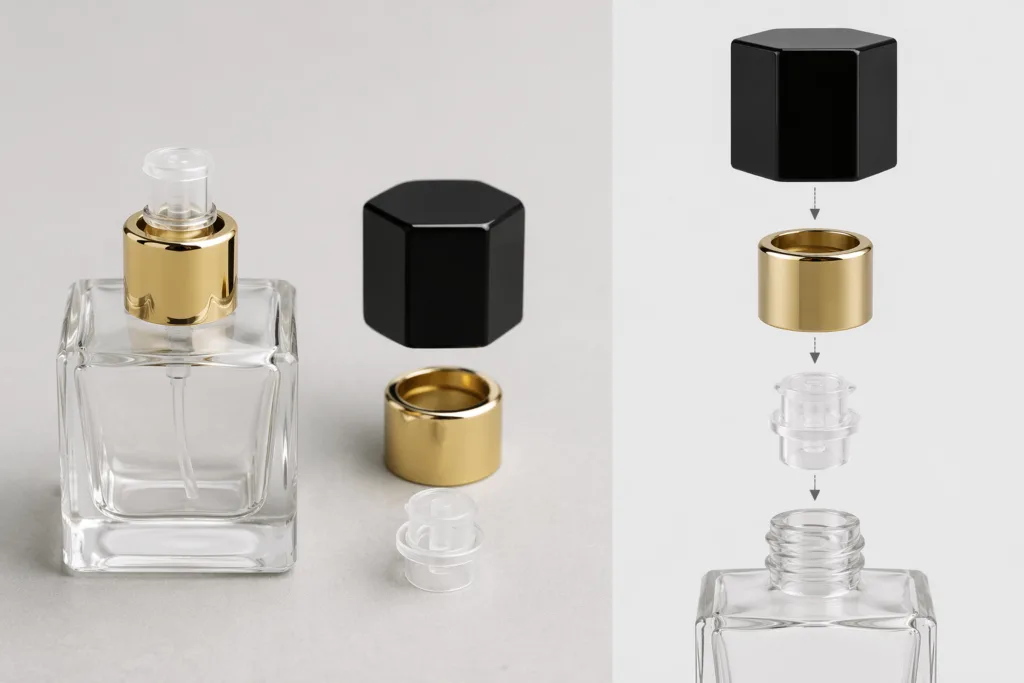
- Bottle fit engineering matters when the cap must match a specific neck, collar, pump, magnetic structure, or inner insert system.
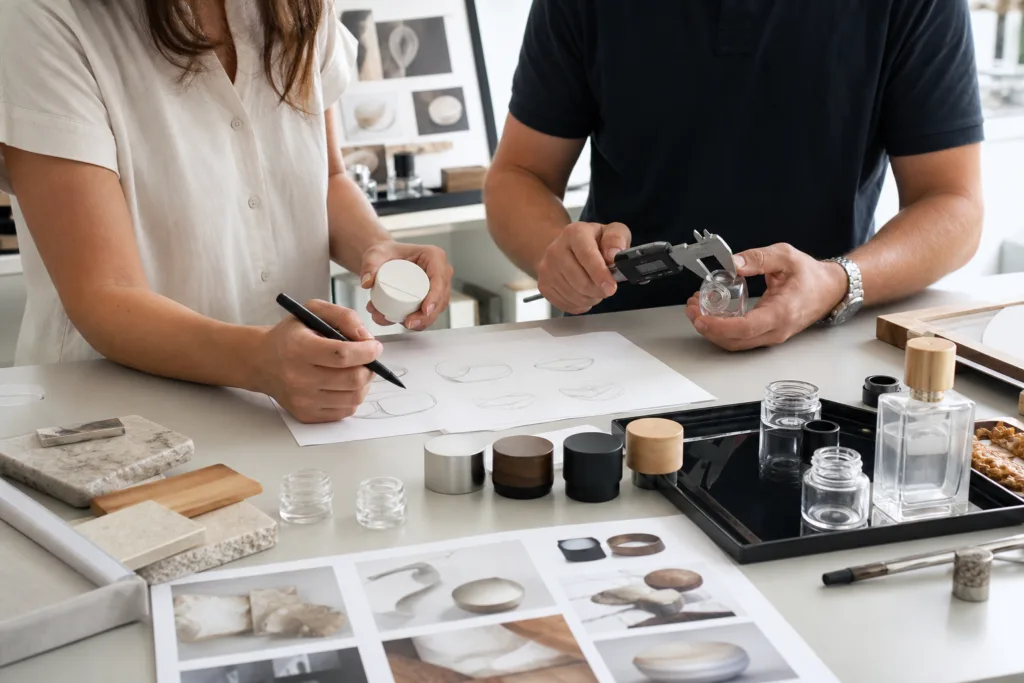
- Sampling and revisions increase development cost but help prevent larger bulk production issues.
- Order quantity changes the cost structure because tooling, setup, and inspection costs are spread differently across the project.
- Packaging requirements, protective packing, and export handling can also affect the final quote.
Choose Zinc Alloy Caps When Weight and Finish Matter
- Zinc alloy supports die casting, polishing, electroplating, painting, and logo detailing.
- Heavier caps usually increase raw material use and surface processing time.
- Premium materials often require tighter finish inspection because cosmetic defects are easier to see on reflective surfaces.
- Material selection should match your target market, retail positioning, and bottle design.
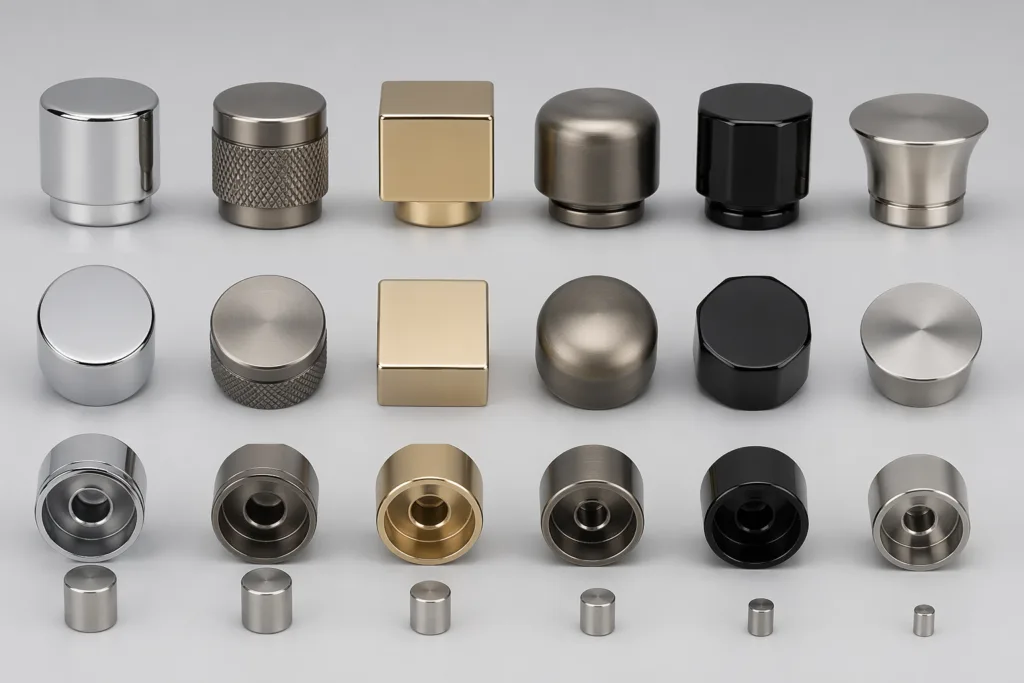
Mold Cost Depends on Shape, Structure, and Approval Risk
- New custom shape instead of existing design reference
- Complex top and side detailing
- Tight bottle fit tolerance requirements
- Multi-part construction or special inserts
- Revisions after first sample approval round
How Surface Finishes Change Unit Cost and QC Needs
- Electroplated perfume cap finishes can create a luxury metallic appearance, but finish consistency and surface preparation are critical.
- Painted perfume caps may require color matching, coating control, and scratch protection.
- Polished perfume caps often need more surface preparation because polishing can reveal base imperfections.
- Multi-finish caps, such as polished plus painted or plated plus engraved, usually cost more than single-finish designs.
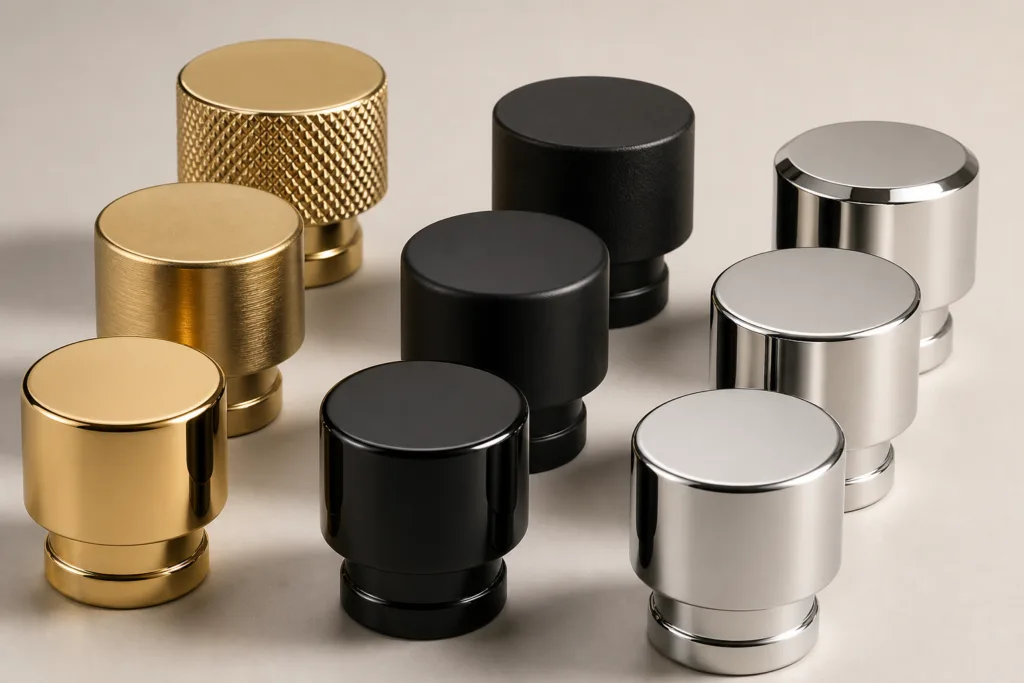
Branding Details Affect More Than Decoration Cost
- Very small logo details
- Deep engraving or raised logos
- Multiple branding locations
- Color-filled or printed logos
- Tight alignment requirements with bottle decoration
Bottle Fit Problems Usually Cost More Than Buyers Expect
- Bottle neck drawing or physical bottle sample
- Pump and collar details
- Target cap dimensions and weight direction
- Assembly expectation, such as friction fit or insert structure
- Decoration reference for alignment and overall look
Sample Cost Protects Bulk Production Cost
- Is the sample for shape approval, finish approval, fit approval, or full pre-production review?
- Are logo details and color targets included at sample stage?
- Will the sample use production-level finish methods or a development approximation?
- What changes after sample review may affect unit price or tooling?
MOQ and Timing Change the Cost Structure
- Finalize the cap design before requesting a rush schedule
- Confirm finish and logo method before bulk pricing comparison
- Share target quantity ranges, not only one estimate
- Ask which changes affect tooling cost and which affect unit cost
Quality and Risk Control
Lower Price Does Not Always Mean Lower Total Cost
What Buyers Should Prepare Before Requesting a Cost Quote
- Bottle drawing or bottle sample
- Cap size target or reference sample
- Preferred material, such as zinc alloy
- Finish target, such as plating, paint, polish, or brushed effect
- Logo artwork and branding method
- Estimated order quantity range
- Sample requirement and launch timing
- Packaging needs and shipping expectations
Next Steps After Reviewing Perfume Cap Cost
Once you understand the cost drivers, the next step is to narrow the right cap direction for your project. Product type, finish choice, and bottle-fit details should all be aligned before final quote comparison.
- Explore the full perfume bottle caps range
- Compare custom perfume bottle caps
- Review zinc alloy perfume caps
- Request finish samples
- Contact the Caps Ltd team for project discussion
Ready to Price Your Perfume Cap Project More Accurately?
Send your bottle details, cap concept, finish target, and quantity range. Caps Ltd can review the project scope and help you build a clearer RFQ for sampling and production.
Frequently Asked Questions
The main factors are material, cap weight, shape complexity, tooling, surface finish, logo method, bottle fit requirements, sample revisions, and order quantity.
They are often priced higher than lighter alternatives because they use more material and support premium finishing processes, but they also offer better weight and a more luxury feel.
Not always. Some projects separate tooling cost from unit price, especially for new custom designs. Buyers should confirm this during RFQ review.
Small differences in finish quality, engraving detail, insert structure, fit tolerance, and inspection standard can change both development cost and production cost.
Larger quantities can improve unit cost efficiency, but only if the design, finish, and fit requirements are already stable and approved.
Send bottle drawings or samples, cap size targets, material preference, finish reference, logo artwork, quantity range, sample needs, and delivery timing.