
Perfume Cap Sample Development
Sample development for custom perfume bottle caps starts with clear specs, fit review, finish planning, and approval checkpoints.
Caps Ltd supports B2B buyers through the sample stage before bulk production. Whether you need a new zinc alloy cap, a finish match, a logo trial, or bottle-fit confirmation, the goal of sample development is simple: reduce risk before tooling release and production scale-up.
What the Sample Stage Should Confirm Before You Approve Production
A sample is not only for visual review. It should help your team confirm the full production direction.
This is why many buyers prepare artwork, bottle drawings, reference samples, and finish targets early. If your team needs a complete RFQ package, the custom cap spec sheet and perfume cap buyer guide can help organize the information.
- Shape and proportion match the packaging concept
- Weight and hand feel fit the brand position
- Cap fit works with the bottle neck, pump, collar, and closure system
- Surface finish matches the approved color and texture target
- Logo engraving, embossing, debossing, or printing is clear and well placed
- Insert structure supports opening and closing performance
- Assembly details are practical for repeat bulk production
- Quality expectations are defined before mass production starts
What Can Be Reviewed During Perfume Cap Sample Development
- Material direction: often linked to zinc alloy perfume caps when weight, premium feel, and complex surface finishing matter
- Shape development: round, square, faceted, sculpted, tall, low-profile, or signature custom silhouettes
- Branding details: engraved logo, embossed brand mark, printed artwork, texture, or decorative features
- Finish planning: polished, brushed, painted, or electroplated perfume cap finishes
- Color review: visual matching against approved references when color consistency is important
- Structural fit: insert dimensions, cap cavity, neck interface, and closure alignment
- Assembly review: cap shell, insert, decorative parts, and packaging handling requirements
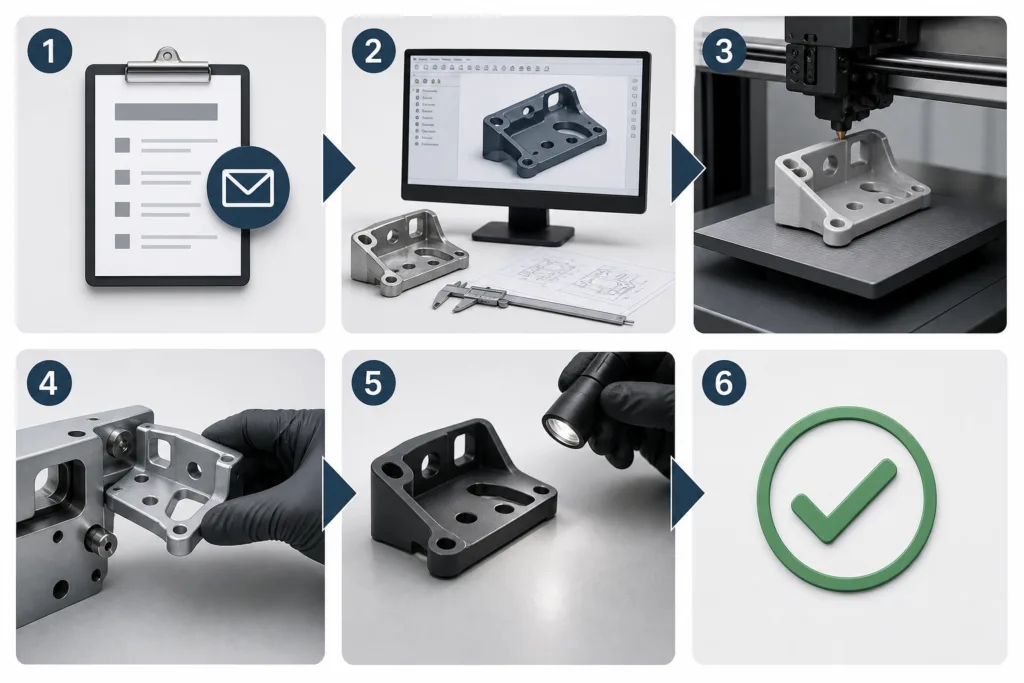
From Drawing Review to Approved Cap Sample
- Step 1: RFQ and technical input
- Step 2: Feasibility review
- Step 3: Engineering and development planning
- Step 4: Sample making
- Step 5: Buyer evaluation
- Step 6: Approval for production planning
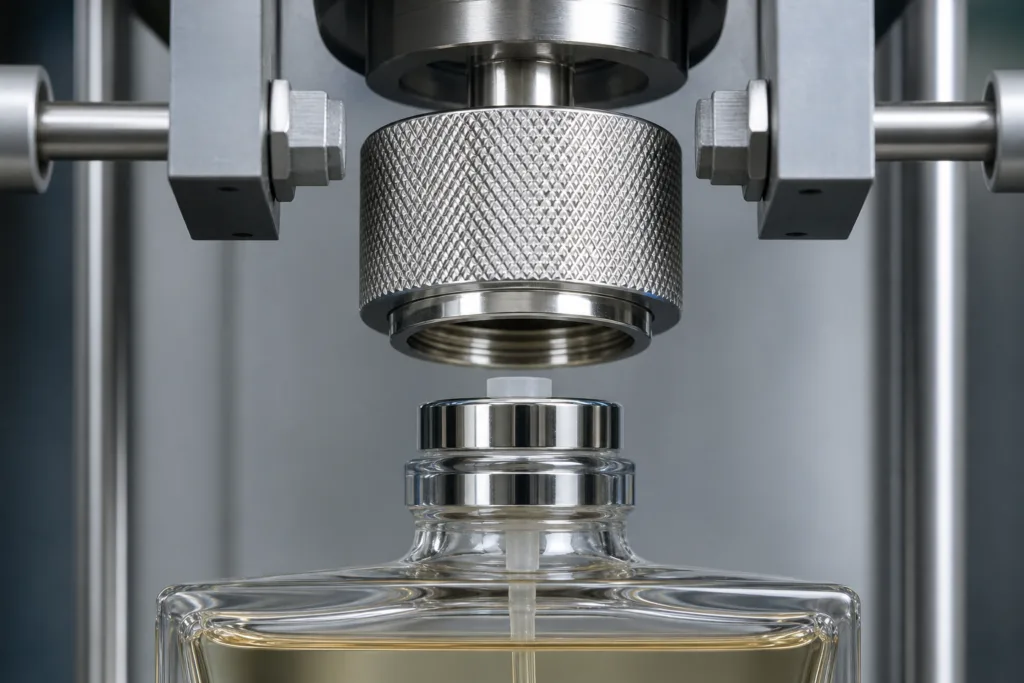
Why Bottle Fit Engineering Should Be Checked Early
- Bottle neck dimensions and tolerances
- Pump and collar outside dimensions
- Cap inner cavity and insert design
- Pull force and removal feel
- Alignment between cap profile and bottle shoulder
- Stability during transport and handling
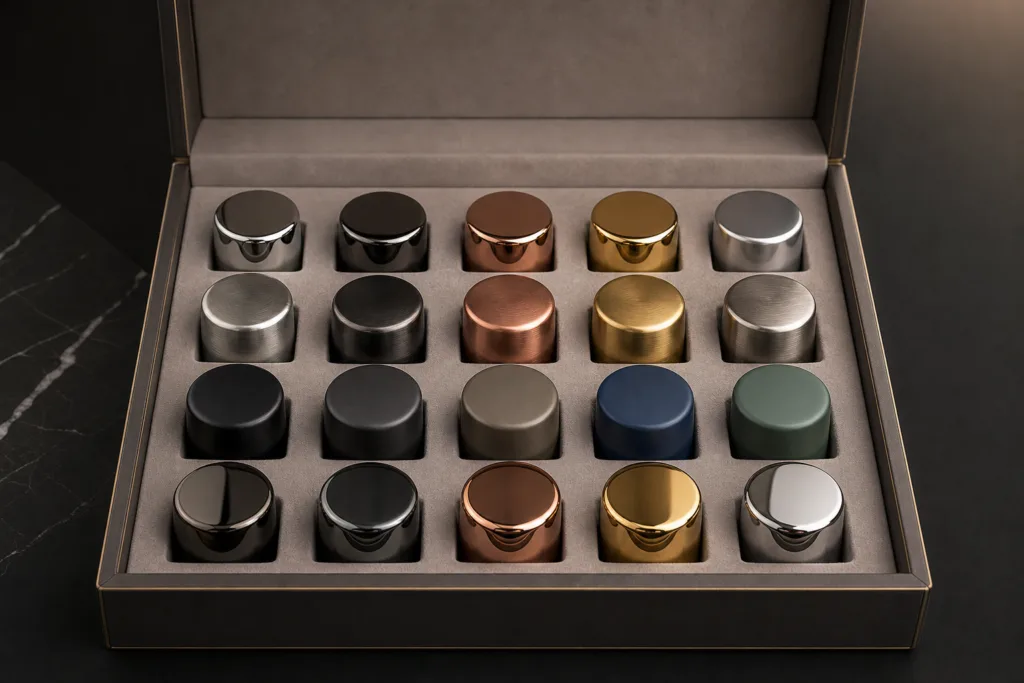
How Finish Trials Help Prevent Bulk Production Surprises
- Electroplating tone and reflectivity
- Painted surface color and coverage
- Polished or brushed texture direction
- Edge smoothness and visible part lines
- Logo contrast after finishing
- Visual consistency between multiple sample pieces
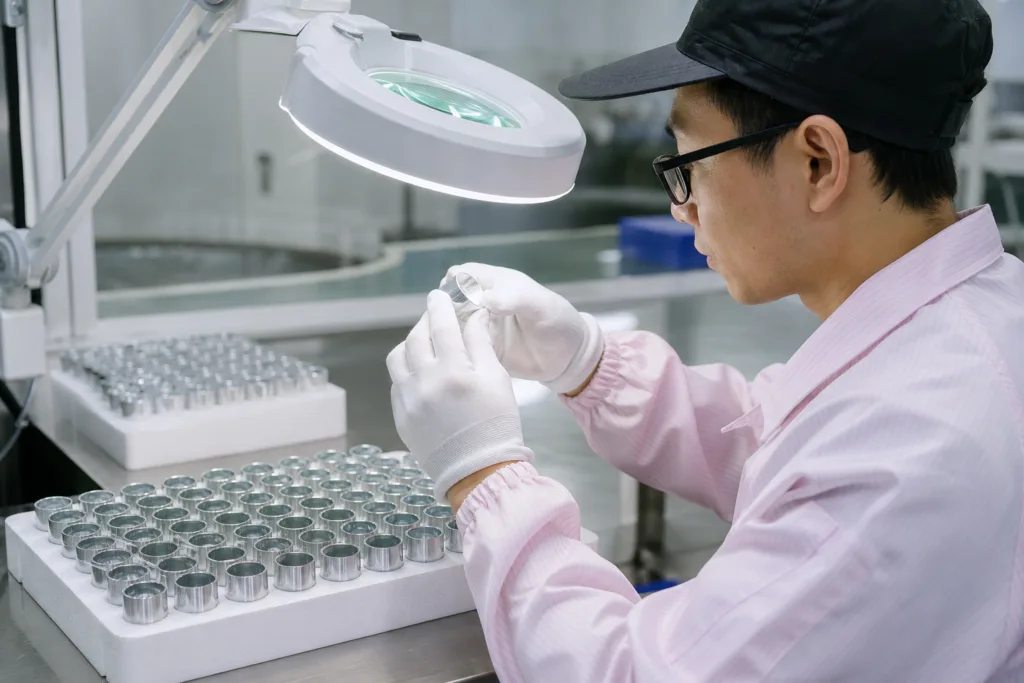
Sample Approval Works Best When Quality Standards Are Defined Early
- Approved appearance reference for finish and color
- Key dimensions for fit and assembly
- Logo placement and readability expectations
- Surface defect acceptance level
- Insert and assembly consistency checkpoints
- Packing requirements for finished caps
When a Second Sample Round May Be Worth It
Not every project is approved in one round. A second sample may be useful when:
Early revision is usually less costly than correcting issues after production release. That is why clear feedback with marked drawings, images, and approved references is important.
- The bottle fit needs adjustment
- The cap feels too light or too heavy
- The plating tone or paint color needs refinement
- The logo depth or visibility is not strong enough
- The shape needs proportion changes
- Decorative details affect manufacturability
What Happens After Sample Approval
- Production readiness review
- MOQ and order quantity planning
- Bulk production timeline discussion
- Inspection standard confirmation
- Export packaging requirements
Pages Buyers Often Review During Sample Development
Sample development rarely stands alone. Most buyers also compare product, customization, and quality pages before approval.
- Perfume bottle caps for the full product range
- Custom perfume bottle caps for project-specific development
- Zinc alloy perfume caps for material direction
- Bottle fit engineering for closure compatibility
- Mold development for new-tooling projects
- Quality control for inspection planning
- Request sample for finish or project review
What to Send for a Faster Sample Review
The more complete your inputs, the easier it is to move from concept to approved sample.
If you do not have full technical files, send what you have. Caps Ltd can review the available information and advise the next sampling step.
- Bottle drawing or physical bottle sample
- Neck finish dimensions
- Pump and collar details if applicable
- Target cap diameter and height
- Material preference
- Finish target or reference photo
- Logo artwork in editable format
- Estimated project quantity
- Desired sample objective: fit, appearance, finish, or pre-production approval
- Target project schedule
Start Your Perfume Cap Sample Development Request
Planning a new perfume cap project or reviewing a current design? Send your drawings, bottle data, finish references, or artwork for sample evaluation. Caps Ltd supports fit review, finish trials, logo development, and sample planning before bulk production.
Frequently Asked Questions
The main purpose is to confirm fit, appearance, finish, logo details, and production direction before bulk manufacturing starts.
Yes. Some projects need only fit confirmation, while others need a more complete sample with finish and branding details.
Helpful inputs include bottle drawings, neck dimensions, pump or collar details, cap size targets, finish references, logo files, and quantity estimates.
Sample approval improves production control, but consistency still depends on defined QC standards, finish controls, and final inspection during production.
A second round is useful when fit needs adjustment, finish tone changes are required, logo details need refinement, or the cap shape needs revision.
After approval, the project can move into tooling confirmation if needed, production planning, QC setup, lead time review, and bulk order preparation.