
Perfume Cap Mold Development
Perfume Cap Mold Development for Custom Fragrance Packaging
Turn a cap concept into a production-ready tooling plan with practical support for shape, fit, finish, logo details, and sample approval.
What Buyers Need to Confirm Before Opening New Tooling
Before mold development starts, most B2B buyers want clear answers to a few practical questions:
Caps Ltd uses the tooling stage to reduce avoidable revisions later in production. That means reviewing appearance, structure, fit, insert design, finish expectations, and assembly needs before the mold is finalized.
- Can the cap shape be produced in zinc alloy without losing key design details?
- Will the cap fit the bottle neck, collar, insert, and closure system correctly?
- How will logo engraving, embossing, or texture affect tooling complexity?
- Which finishes need to be considered before the mold is built?
- What information is needed for sampling and quote review?
- How can sample approval reduce risk before bulk production?
What Perfume Cap Mold Development Covers
- Review of 2D drawings, 3D files, reference caps, or concept sketches
- Shape and structure evaluation for custom perfume bottle caps
- Zinc alloy tooling planning for weight, wall thickness, and surface detail
- Logo and decorative feature review, including engraved or embossed areas
- Bottle fit coordination with insert and closure components
- Surface finish planning for plating, paint, polishing, or brushing
- Sample tooling preparation and trial output review
- Adjustment planning before sample approval or bulk production
What Buyers Should Prepare Before Tooling Review
- Cap size requirements
- Bottle neck dimensions
- Collar or pump information
- Insert requirements
- Target cap weight or material preference
- Surface finish target such as electroplated, painted, polished, or brushed
- Logo artwork in editable format when available
- Reference photos, samples, mood boards, or similar packaging styles
- Expected order quantity range
- Launch timing or sampling deadline
How Cap Geometry Changes Mold Complexity
Not every cap design requires the same tooling approach. A simple round cap with a clean top surface is different from a multi-face luxury cap with recessed logo areas, sharp corners, or decorative texture.
Tooling complexity can increase when a project includes:
At the review stage, Caps Ltd looks at whether the design should be simplified, split into workable parts, or adjusted for more stable production. This helps protect appearance and reduce issues during polishing, electroplating, painting, and assembly.
- Deep logo engraving
- Tight corner transitions
- Complex top and side contours
- Decorative grooves or texture bands
- Heavy wall sections
- Special insert structures
- Unusual assembly requirements
- Multiple finish zones on one cap
Tooling Decisions Should Match the Final Cap Finish
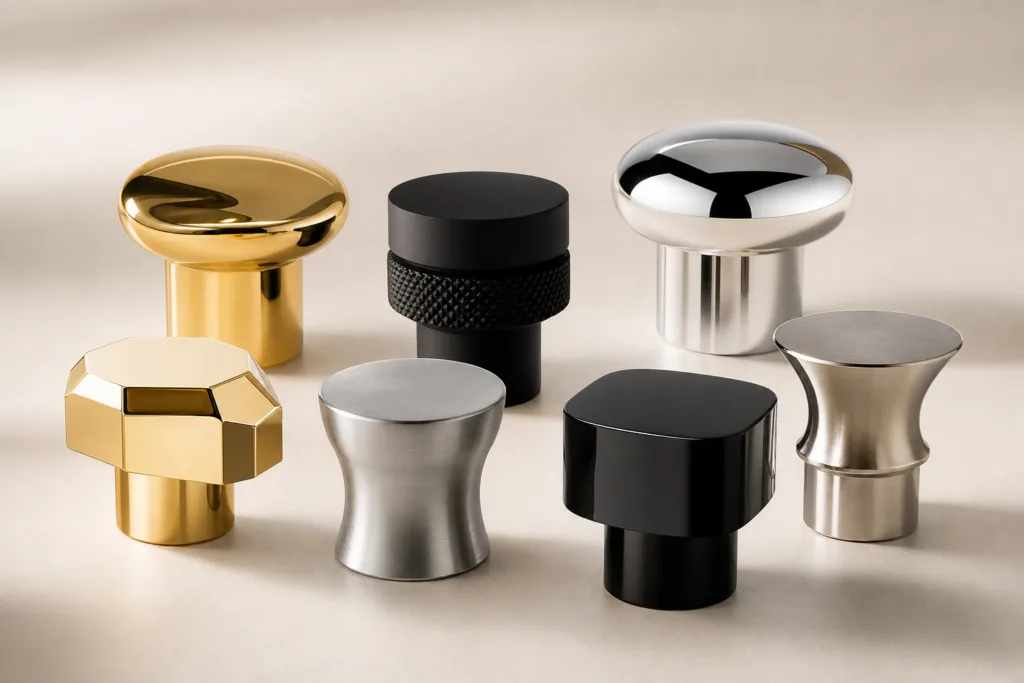
- Zinc alloy perfume caps often support premium weight and stronger surface detail for luxury fragrance packaging
- Electroplated finishes may highlight surface flaws, so tooling and polishing standards matter early
- Painted caps may need attention to corner build-up and color consistency across batches
- Polished and brushed caps need controlled surfaces so the final look stays clean and even
Mold Development Must Work With the Bottle, Not Only the Cap Shape
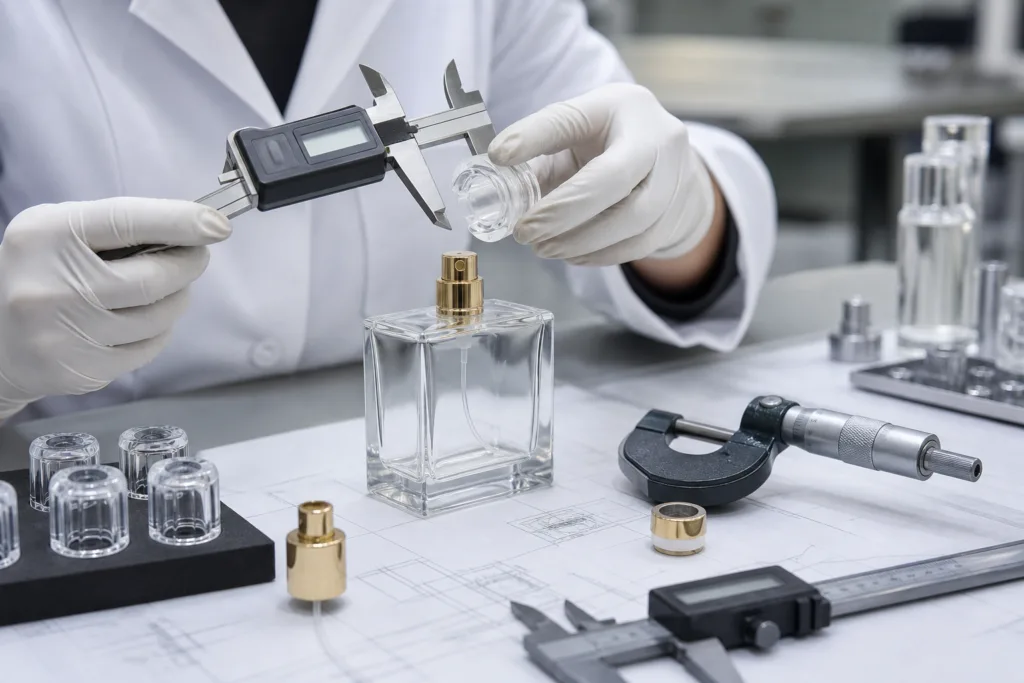
A cap can look correct in a drawing but still fail in real use if bottle fit is not checked carefully. For fragrance packaging, the cap must align with the closure system and present the right opening force, seated height, and visual balance.
During development, buyers should confirm:
This is especially important for projects involving refillable perfume bottles, glass perfume bottles, or premium presentation lines where fit and feel affect brand perception.
- Bottle neck size and tolerance
- Pump and collar dimensions
- Insert type and retention method
- Cap inner structure
- Target opening and closing feel
- Alignment between cap profile and bottle shoulder
- Assembly method for production
From Drawing Review to Sample Approval
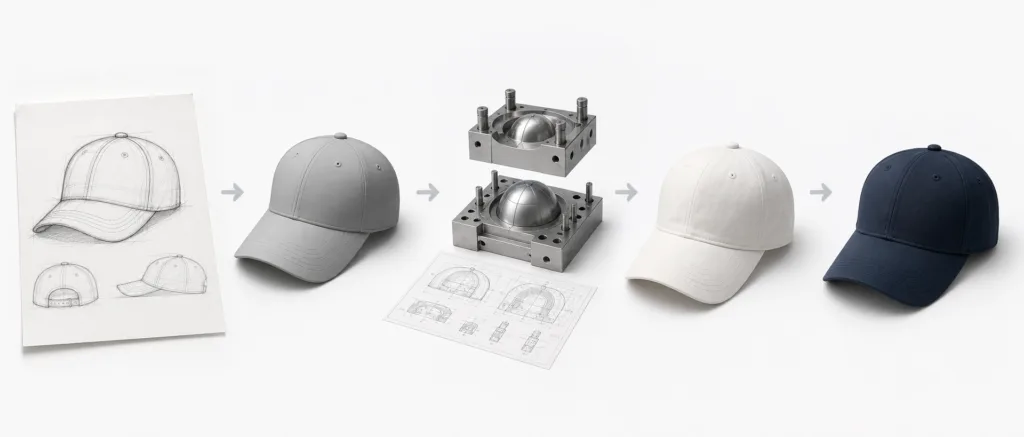
Mold development usually follows a staged workflow so buyers can review technical points before larger production commitments are made.
- Step 1: Project input review
- Step 2: Feasibility and tooling assessment
- Step 3: Mold planning
- Step 4: Sample development
- Step 5: Revision if needed
- Step 6: Approval for production
What Usually Changes Tooling Cost, Sampling Time, and Production Planning
- Cap size and shape complexity
- Number of decorative details
- Insert and assembly structure
- New versus modified tooling
- Surface finish requirements
- Number of sample revisions
- Buyer response speed during approvals
- Need for bottle fit verification with physical components
Why Strong Mold Review Helps Prevent Problems Later
A careful mold development stage helps reduce common problems that can become expensive after production starts.
It can help prevent:
For buyers managing a launch schedule, early tooling discipline can improve sample confidence and reduce change requests before bulk production.
- Poor bottle fit
- Weak logo definition
- Surface flaws that become visible after plating or polishing
- Color or finish inconsistency caused by unstable surfaces
- Assembly issues between cap shell and insert
- Repeated sample delays from incomplete technical inputs
Tooling Quality Connects Directly to Production Quality
- Consistent visual finish from sample to bulk
- Stable assembly and fit
- Predictable color and plating appearance
- Export-ready packing after approval
When New Mold Development Makes Sense
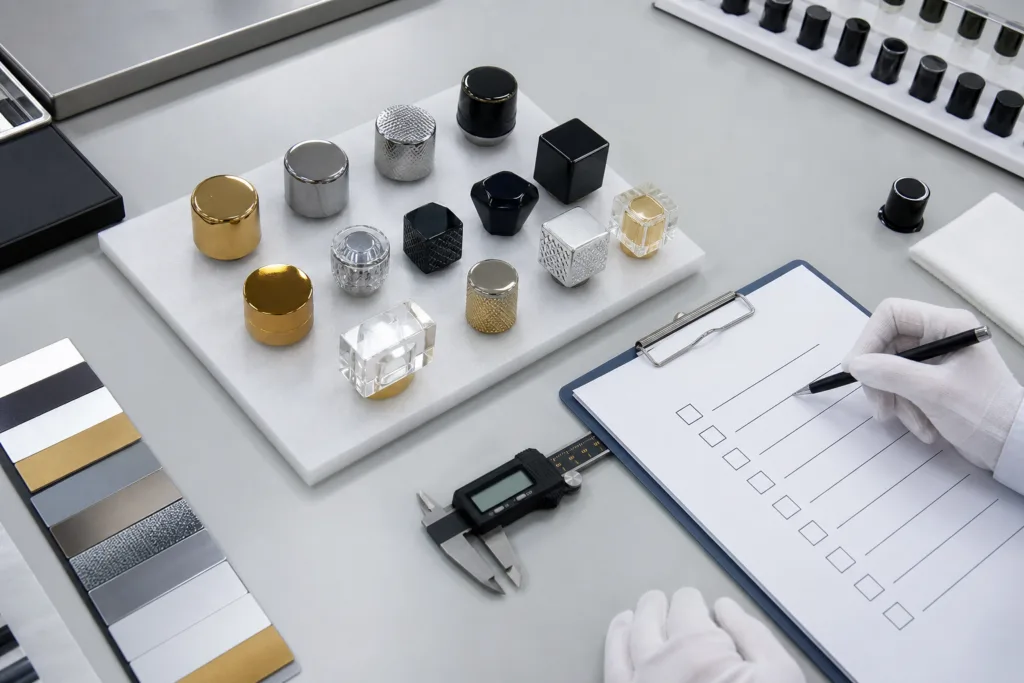
New tooling is often the right path when a buyer needs:
If your team is still choosing the right style direction, review luxury perfume caps, logo engraved perfume caps, or the perfume cap buyer guide.
- A unique cap shape for a new fragrance line
- A heavier premium cap for luxury positioning
- Brand-specific logo details not possible with standard caps
- Better fit for a bottle and pump system
- A private label cap design with controlled appearance
- A limited edition cap with custom decorative structure
What to Send for a Faster Mold Development Quote
- Page title or project name
- Cap drawings or 3D files if available
- Bottle neck and collar dimensions
- Finish target
- Logo artwork
- Reference images or existing sample photos
- Estimated quantity range
- Target sampling date
- Any known packaging or assembly requirements
Start Your Perfume Cap Tooling Review
If you are planning a new fragrance cap and need a practical tooling path, Caps Ltd can review your design, bottle fit, finish goals, and sampling needs before production.
Frequently Asked Questions
It usually includes design review, tooling assessment, structure planning, bottle fit consideration, sample preparation, and revision support before production approval.
No. You can start with sketches, reference photos, existing samples, or basic dimensions. More complete files help speed up the review, but early evaluation can begin with partial information.
Tooling affects upfront development cost and can also influence sampling time, finish quality, and production efficiency. Complex shapes, detailed logos, and fit requirements usually increase tooling complexity.
Yes. This is often recommended. A cap should be developed with the bottle neck, pump, collar, insert, and closure system in mind to reduce fit problems later.
The project usually moves into sample development so the buyer can check appearance, fit, finish, and assembly before approving bulk production.
Yes. Finish targets such as electroplating, baked paint, polishing, or brushing should be considered early because they affect surface expectations and production stability.